


Choosing a new roof in North Carolina is not as simple as picking a color and calling it done. The state throws a lot at your home, from hurricane-force winds along the coast to relentless summer heat in the Piedmont and ice storms in the mountains. The roof over your head needs to handle all of it while also protecting your investment and keeping your energy bills manageable. This guide breaks down the top roofing materials available to NC homeowners, compares them honestly, and helps you figure out which option fits your home, your budget, and your local climate.
Table of Contents
- How to evaluate roof types for North Carolina homes
- Asphalt shingles: The versatile and affordable choice
- Metal roofs: Lasting protection and energy efficiency
- Tile and slate: Premium value and curb appeal
- Roof type comparison for NC homes
- Choosing the right roof for your climate and budget
- What most homeowners overlook when choosing roof types in NC
- Upgrade your NC roof with local expertise
- Frequently asked questions
Key Takeaways
| Point | Details |
|---|---|
| Durability matters most | Choose roofs that stand up to NC storms for long-term performance and fewer replacements. |
| Match roof to climate | Materials like metal and shingle excel in NC’s mix of humidity, heat, and severe weather. |
| Upfront cost vs. lifespan | Higher-cost options often offer savings over decades by lasting longer with less maintenance. |
| Consider curb appeal | Materials like tile and architectural shingles add value and make homes stand out in the neighborhood. |
| Professional input is key | A local roofing expert can tailor recommendations to your budget, location, and style goals. |
How to evaluate roof types for North Carolina homes
Before you commit to any material, you need a clear set of criteria. Not every roofing product performs the same way in NC’s climate, and picking based on price alone can cost you far more in the long run.
Here are the key factors worth evaluating:
- Weather resistance: North Carolina experiences tropical storms, high humidity, intense UV exposure, and occasional ice. Your roof needs to handle all of it.
- Longevity: How many years can you realistically expect before a full replacement?
- Maintenance demands: Some materials need regular attention; others are nearly hands-off.
- Upfront cost vs. lifetime cost: A cheaper roof that lasts 15 years may cost more over time than a premium option lasting 50.
- Insurance implications: Some materials, like impact-resistant shingles or metal, can lower your homeowner’s insurance premium.
- Energy efficiency: In roofing, this refers to how well a material reflects solar heat rather than absorbing it. Reflective roofs reduce the load on your air conditioning system, which matters a great deal during NC summers.
- Curb appeal: The right roof can noticeably increase your home’s market value.
North Carolina’s climate is genuinely unique. The coast faces salt air and hurricane-level gusts. The Piedmont region, home to Burlington, Greensboro, and Chapel Hill, deals with heavy rain and long stretches of heat. The western mountains see freeze-thaw cycles that can crack weaker materials over time. Staying current on good roof upkeep tips helps you catch problems before they become expensive repairs, regardless of which material you choose.
Pro Tip: Schedule professional roof inspections every two to three years, not just after major storms. Catching minor damage early can add years to any roof type and save you thousands in premature replacement costs.
Asphalt shingles: The versatile and affordable choice
Now that you know how to evaluate roof materials, let’s start with the most common choice across NC neighborhoods. Asphalt shingles dominate the residential roofing market for good reason. They are affordable, widely available, and relatively easy to install and repair.
Why asphalt shingles work well in NC:
- They come in two main varieties: three-tab shingles (basic and budget-friendly) and architectural shingles (thicker, more durable, and better looking).
- Quality architectural shingles are rated to withstand winds up to 130 mph, which matters during storm season.
- They offer solid fire resistance with Class A ratings available.
- Most asphalt shingles carry manufacturer warranties of 25 to 30 years.
- They are available in dozens of colors and styles to complement any home exterior.
The trade-off is longevity. A standard asphalt shingle roof in NC typically lasts 15 to 25 years in practice, partly because the combination of heat, humidity, and UV exposure accelerates wear. Algae and mildew growth are also common issues, especially in shaded areas of your roof. Algae-resistant shingles with copper granules are widely available and well worth the small added cost in NC’s humid environment.
Asphalt shingle roofing is the right fit for homeowners who need a reliable, cost-effective solution without a major upfront investment. It is also the easiest option to repair locally, since virtually every roofing contractor in the area is experienced with installation and matching existing shingle styles.
Pro Tip: Keep your gutters clean and your attic properly ventilated. Poor ventilation traps heat against the underside of shingles, dramatically shortening their lifespan. Check the roofing blog for more shingle maintenance insights that NC homeowners often overlook.
Metal roofs: Lasting protection and energy efficiency
For those wanting maximum durability or energy savings, metal roofs are a popular upgrade from traditional shingles. And it is easy to see why more NC homeowners are making the switch.
Key advantages of metal roofing in North Carolina:
- Storm resilience: Metal panels and shingles are engineered to handle sustained winds of 140 mph or more, making them a serious option for NC’s storm-prone regions.
- Fire resistance: Metal earns a Class A fire rating, the highest available.
- Longevity: A properly installed metal roof routinely lasts 40 to 50 years with minimal maintenance.
- Energy efficiency: Metal roofs reflect a significant portion of solar radiation. In a hot NC summer, this can reduce cooling costs noticeably.
- Low maintenance: Metal does not rot, crack, or attract pests. It handles freeze-thaw cycles well, which is important for mountain area homeowners.
The main drawback is the upfront cost. Metal roofing typically costs two to three times more than asphalt shingles per square foot installed. However, when you factor in longevity and reduced maintenance expenses, the total cost of ownership often favors metal over a 30 to 50 year period.
“A metal roof installed today may outlast the next two or three asphalt roofs that would otherwise go on the same home, and it will likely do so with far less maintenance expense and fewer emergency repair calls along the way.”
One important consideration for NC homeowners is choosing the right coating. Bare metal can corrode in high-humidity environments. Look for Kynar 500 or similar fluoropolymer coatings that resist fading and corrosion far better than standard painted finishes.
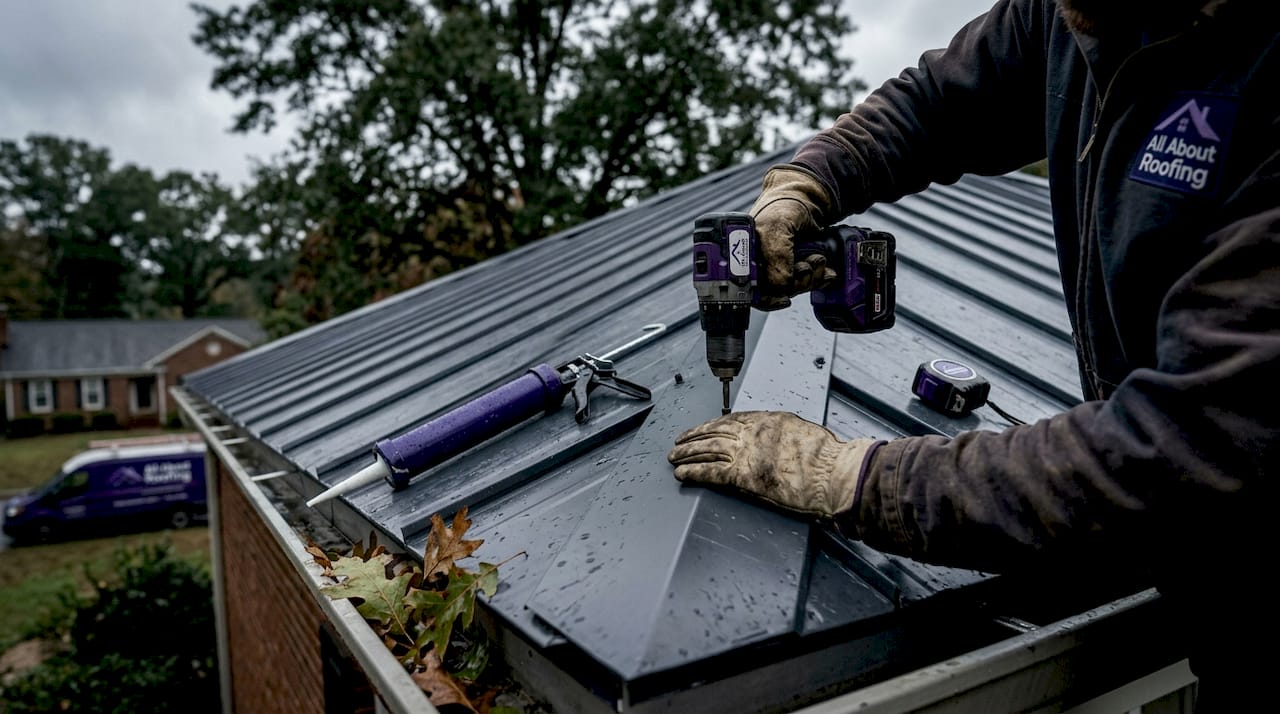
Pro Tip: If you are considering a metal roof replacement, ask your contractor specifically about stone-coated steel or standing seam metal panels. Standing seam is particularly strong against wind uplift because fasteners are hidden beneath the seam, eliminating the most common point of failure in metal roofing systems.
Tile and slate: Premium value and curb appeal
If your priority is long-term investment and aesthetics, higher-end roofing options deserve a close look. Tile and slate are not the most common materials in NC, but they represent the upper end of roofing quality and longevity.
What makes tile and slate worth considering:
- Lifespan: Clay or concrete tile roofs can last 50 to 75 years. Natural slate, when properly installed, routinely lasts 75 to 100 years or more.
- Durability: Both materials resist fire, rot, insects, and mildew extremely well. Hail resistance is also strong, especially with thicker slate.
- Curb appeal: Nothing says premium like a tile or slate roof. These materials add unmistakable character and significantly boost resale value.
- Low chemical interaction: Unlike some materials, tile and slate do not leach chemicals into rainwater, which matters for homes with rain collection systems.
The key challenge in NC is structural. Both tile and slate are heavy materials. Clay tile can weigh 600 to 1,200 pounds per square (100 square feet), and slate is even heavier. Many existing NC homes are not built to carry that load without reinforcing the roof framing first, which adds to the installation cost.
Still, for homeowners who plan to stay in the house for decades or want to maximize resale appeal, the investment makes real financial sense. Any tile or slate repairs should always be handled by a contractor experienced with these materials, since improper walking or fastening techniques can crack tiles and void warranties.
Roof type comparison for NC homes
Having broken down individual options, here is how the main roof types stack up directly. This comparison gives you a quick reference for the most important decision factors.
| Roof type | Avg. lifespan | Upfront cost | Maintenance | Wind resistance | Energy efficiency |
|---|---|---|---|---|---|
| Asphalt shingles | 15 to 25 years | Low | Moderate | Good (up to 130 mph) | Moderate |
| Architectural shingles | 25 to 30 years | Low to moderate | Moderate | Very good | Moderate |
| Metal (standing seam) | 40 to 50 years | High | Low | Excellent (140+ mph) | High |
| Clay or concrete tile | 50 to 75 years | High | Low to moderate | Very good | Good |
| Natural slate | 75 to 100+ years | Very high | Low | Excellent | Moderate |
Standout takeaways from this comparison:
- For pure storm resilience, metal is the top performer across the board.
- For the best balance of cost and performance, architectural shingles remain a strong value pick for most NC homeowners.
- For maximum long-term value and curb appeal, tile and slate outperform everything else, assuming your home’s structure can support the weight.
The NC roofing trends we track locally show a steady increase in metal roof installations across the Piedmont region, driven largely by rising insurance incentives and the growing awareness of long-term cost savings.
Quick stat callout: According to national remodeling data, a metal roof replacement recoups an average of 48 to 61% of its cost at resale, while architectural shingles typically recoup 60 to 68%, making shingles a strong short-term value play as well.
Choosing the right roof for your climate and budget
Armed with comparisons, you are ready to match a roofing solution with your own home’s unique needs. Here is a step-by-step approach to making the right call.
- Set your budget range. Know what you can realistically spend upfront. Asphalt shingles start lower, but plan for replacement sooner. Metal and tile cost more now but save money over decades.
- Consider how long you plan to stay. If you are selling in five to ten years, architectural shingles offer the best return on investment. If you are staying 20 or more years, metal or tile makes stronger financial sense.
- Factor in your NC location. Coastal homeowners near the Outer Banks should prioritize wind and salt-air resistance. Piedmont homeowners in cities like Burlington or Greensboro should focus on heat and storm resilience. Mountain homeowners near Boone or Asheville need materials that handle freeze-thaw cycles without cracking.
- Assess your home’s structure. Older homes may need structural upgrades before tile or slate can be installed safely. A qualified contractor can evaluate this during an initial site visit.
- Check your insurance policy. Some carriers offer discounts for impact-resistant or Class A fire-rated roofing. Ask before you commit to a material.
- Schedule a professional inspection first. Before investing in any new roof, get a thorough inspection to understand the current condition of your decking, flashing, and ventilation. This roof inspection guidance outlines exactly what to expect from a proper evaluation.
Matching the right material to your home is not just about picking what looks good in the catalog. It is about understanding your specific microclimate, your financial timeline, and the structural realities of your house.
What most homeowners overlook when choosing roof types in NC
Before wrapping up, it is worth sharing something we see repeatedly that most roofing articles simply do not address. Material selection gets all the attention, but it is often not the deciding factor in how well a roof actually performs over time.
Installation quality and local installer experience matter just as much as the material itself. We have seen premium metal roofs develop leaks within a few years because the installer was not familiar with local flashing requirements near NC chimneys and valleys. We have also seen basic architectural shingle roofs outlast their expected lifespan because the installation was done right and the homeowner kept up with minor maintenance.
The uncomfortable reality is that a great material installed by an inexperienced contractor is often worse than a good material installed by an expert. Warranties mean very little if the installation does not follow manufacturer specifications, and many national roofing brands require certified installers to honor their longer coverage periods.
Our honest recommendation: prioritize contractors who have real experience with your specific roof type and who know your local climate. They will know which products hold up best in NC humidity, which fastening patterns resist wind uplift in your county, and how to properly ventilate your attic for the long-term health of your roof system. You can find more practical roofing tips on our blog that reflect what we actually see on the job in Burlington, Greensboro, and surrounding communities.
Do not ignore regular upkeep either. Even the most durable roof will underperform if gutters are clogged, flashing is left to rust, or minor damaged areas are left unaddressed through multiple storm seasons. The homeowners who get the most out of their roofs are the ones who treat maintenance as a regular commitment, not an afterthought.
Upgrade your NC roof with local expertise
When you are ready to take the next step, local pros can help you make the right investment for your home and your neighborhood.
At All About Roofing Co., LLC, we work with homeowners across Burlington, Greensboro, Mebane, Chapel Hill, Eden, Hillsborough, and surrounding communities to find roofing solutions built for NC’s real weather conditions. Whether you are considering a full roof replacement or simply want an expert opinion on your current roof’s condition, we are ready to help. We strongly recommend starting with a scheduled roof inspection before committing to any major investment. It gives you a clear picture of what your roof actually needs, so you spend wisely and with full confidence. Call us today for a free estimate and honest advice from a family-owned team that knows NC roofing inside and out.
Frequently asked questions
What is the most durable roofing material for North Carolina homes?
Metal and slate roofs are typically the most durable choices for NC homes, with lifespans ranging from 50 to over 100 years depending on installation quality and ongoing maintenance.
How often should I replace my roof in North Carolina?
Replacement timelines run from 15 to 30 years for asphalt shingles to 50 or more years for metal or tile, but professional inspections every two to three years are essential given NC’s storm damage risks.
Which roof type is best for withstanding NC storms?
Metal roofs offer the strongest storm resilience overall, but high-wind-rated architectural shingles also perform well and are a cost-effective option for most NC homeowners.
Do certain roof types improve my home’s resale value more than others?
Tile, slate, and metal roofs can all boost resale value meaningfully, while architectural shingles improve both the appearance and marketability of a home at a lower upfront cost.
What type of roof requires the least maintenance in NC’s climate?
Metal roofs require the least ongoing maintenance in NC because they naturally resist rot, mildew, pests, and the kind of algae growth that shortens the life of asphalt shingles in humid conditions.
