


Most North Carolina homeowners don’t think about their roofs until water starts dripping through the ceiling. By that point, what started as a minor issue has already grown into a much bigger problem. Early detection saves 30% on repair costs, yet many homeowners skip annual maintenance entirely. This article walks you through the real cost of neglect, the concrete benefits of regular upkeep, common mistakes to avoid, and a practical seasonal schedule built for North Carolina’s climate. If you want to protect your home and your budget, this guide is for you.
Table of Contents
- The cost of neglect: What happens if you skip roof maintenance?
- How roof maintenance extends the life of your home
- Common misconceptions and mistakes in roof care
- Essential roof maintenance schedule for North Carolina homeowners
- Our take: The uncomfortable truth about roof maintenance most NC homeowners miss
- How All About Roofing helps North Carolina homeowners protect their investment
- Frequently asked questions
Key Takeaways
| Point | Details |
|---|---|
| Neglect is costly | Skipping roof maintenance can lead to thousands of dollars in repairs and even mold remediation. |
| Prevention delivers savings | Early detection and annual care can save up to 30% on repair costs and defer expensive replacements. |
| Routine extends lifespan | Regular checks and cleaning keep your roof—and your investment—sound for years longer. |
| NC needs seasonal care | Tailoring your maintenance to North Carolina’s weather reduces risks from storms, moss, and fluctuating humidity. |
The cost of neglect: What happens if you skip roof maintenance?
Skipping roof maintenance might feel like a money-saving decision in the moment. In reality, it’s one of the most expensive choices a homeowner can make. Roofs that go without regular care develop small problems that compound quickly. A tiny gap in the flashing lets moisture in. That moisture creates rot. Rot weakens the decking, and before long, you’re facing a repair bill that could have been avoided entirely.
The financial consequences are wide-ranging. Take a look at what ignored maintenance typically costs North Carolina homeowners:
| Issue | Approximate cost |
|---|---|
| Minor shingle repair | $150 to $400 |
| Major leak repair | $800 to $2,500 |
| Full roof replacement | $10,000 to $50,000 |
| Mold remediation | Avg. $3,500 |
That last number is one that surprises many homeowners. Mold remediation averages $3,500 when roof leaks go unaddressed long enough for moisture to settle into walls, insulation, and ceilings. Mold isn’t just expensive to remove. It’s a health hazard that affects air quality for everyone in the home, especially children and older adults.
Beyond mold, here are the most common risks you face when roof maintenance is skipped:
- Rising repair costs as small problems grow into structural issues
- Premature roof failure years before the expected end of service life
- Significant drop in property value and curb appeal
- Potential insurance claim denial if the insurer determines damage resulted from neglect
- Increased energy bills as gaps and damaged insulation allow air to escape
“Preventive care can defer $10,000 to $50,000 roof replacements, making routine maintenance one of the highest-return investments a homeowner can make.”
Understanding the full scope of roof repair costs gives you a clearer picture of what’s at stake. The number isn’t just the repair bill. It’s the time, stress, temporary displacement, and potential health issues that come with significant roof damage. When you compare that to the relatively low cost of an annual inspection and minor upkeep, the math is straightforward.
After understanding what’s at stake, let’s get clear on how regular maintenance actually benefits your roof’s longevity and your wallet.
How roof maintenance extends the life of your home
Routine roof maintenance isn’t just about avoiding disasters. It’s about keeping your biggest asset in top condition year after year. When small problems get caught early, repairs stay manageable, costs stay low, and your roof reaches or exceeds its expected lifespan. That’s a direct financial benefit that compounds over time.
Here are the key components of a solid basic maintenance routine:
- Annual professional inspection. A trained roofer looks for cracked or missing shingles, soft spots in the decking, damaged flashing around chimneys and vents, and signs of moisture intrusion that aren’t visible from the ground.
- Gutter cleaning. Clogged gutters trap water along your roofline, which causes wood rot and ice dams in cooler months. Clean gutters at least twice a year.
- Flashing checks. Flashing is the thin metal material that seals joints around chimneys, skylights, and vents. When it loosens or corrodes, water finds a direct path into your home.
- Repairing minor damage promptly. A missing shingle or small patch of lifted sealant takes minutes to fix if caught early. Left alone, it creates a chain reaction of damage.
- Debris removal. Leaves, branches, and standing moisture on your roof accelerate material breakdown. Clearing debris regularly extends the life of your shingles.
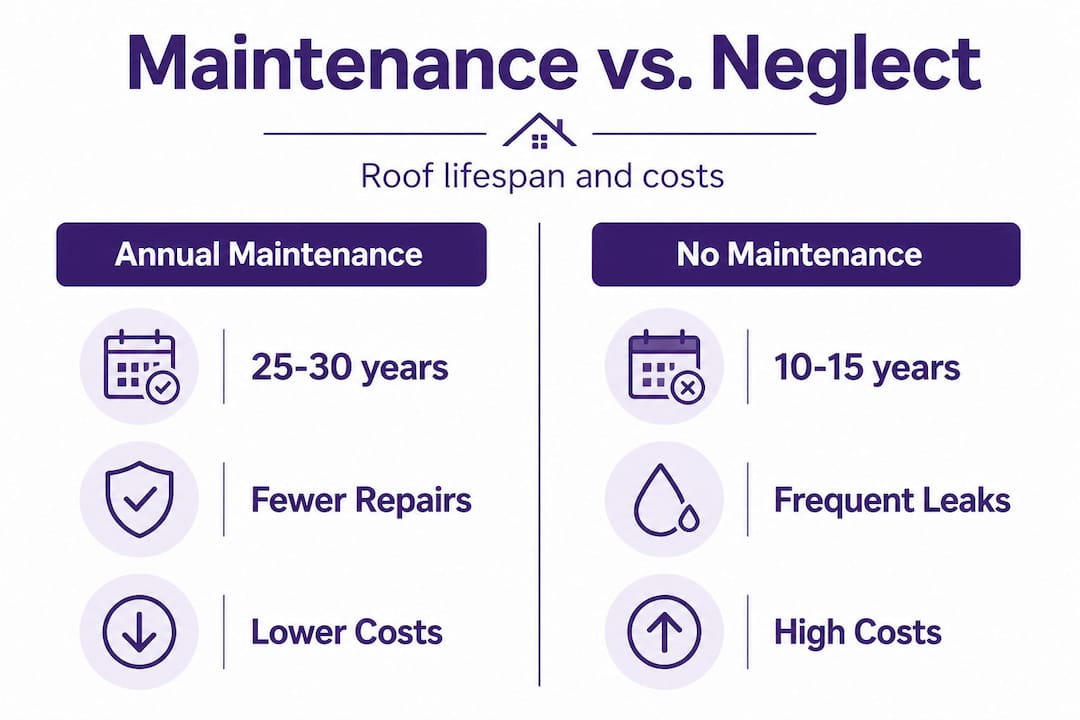
The difference between a maintained roof and a neglected one is significant. Here’s how the two compare over time:
| Factor | Annual maintenance | No maintenance |
|---|---|---|
| Average lifespan | 25 to 30 years | 10 to 15 years |
| Likelihood of leaks | Low | High within 5 to 7 years |
| Average yearly cost | $200 to $500 | $1,500 to $5,000 (reactive repairs) |
| Major replacements | Deferred or avoided | Often needed sooner |
Following a solid roof maintenance checklist gives you a structured approach to this process. It removes the guesswork and ensures nothing falls through the cracks. Given that early detection saves 30% on repair costs, consistency is the key factor. You don’t need to be an expert. You just need a reliable routine.
It’s also worth understanding why roof leaks matter beyond the obvious water damage. Moisture intrusion affects structural integrity, insulation performance, and indoor air quality. A roof that functions well protects everything inside your home.
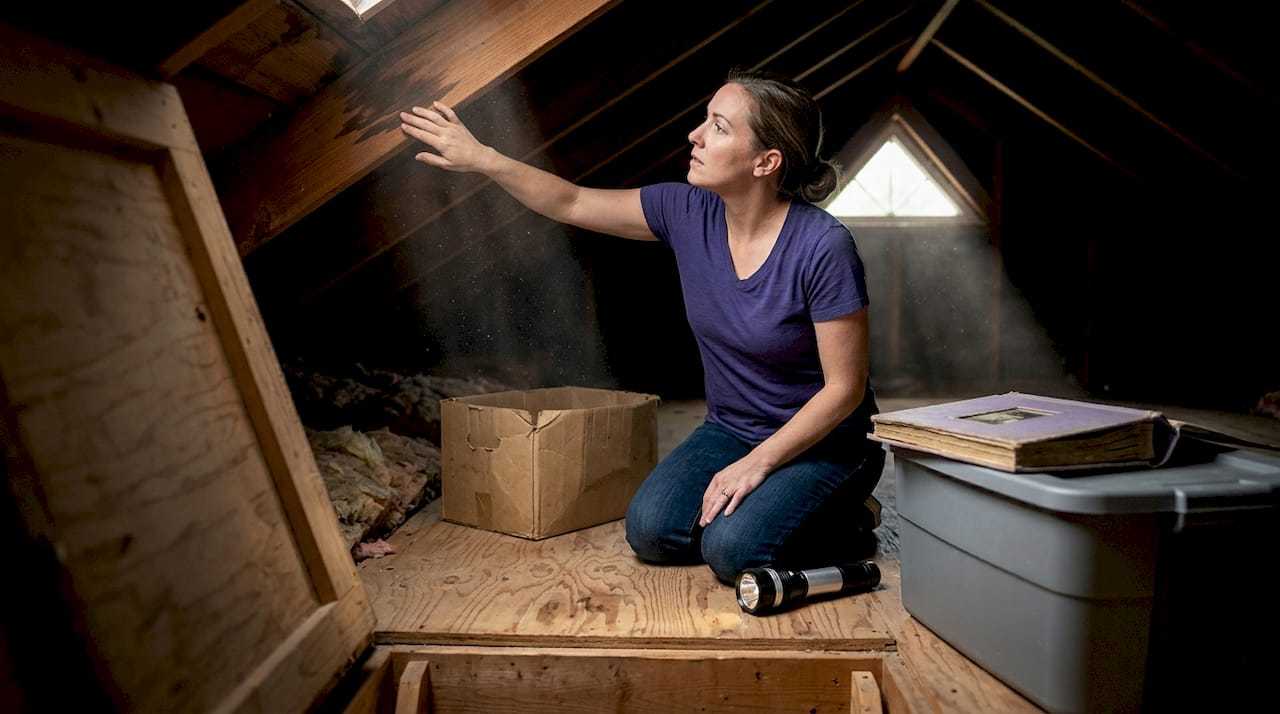
Pro Tip: Schedule your inspections in spring and fall. Spring inspections catch winter damage before summer storms arrive. Fall inspections prepare your roof for cold temperatures and ice. These two windows give you the best opportunity to spot seasonal wear.
With these maintenance strategies in mind, let’s address some misconceptions and real-world scenarios faced by NC homeowners.
Common misconceptions and mistakes in roof care
A lot of North Carolina homeowners make roof care decisions based on assumptions that aren’t quite right. These misconceptions lead to delayed action, improper repairs, and surprise expenses. Getting clear on what’s actually true helps you make smarter decisions.
Myth: “I don’t see any leaks, so my roof is fine.”
This is the most dangerous assumption homeowners make. Roof damage often develops in areas you can’t see without climbing up or knowing exactly where to look. Moisture can travel along rafters before dripping in an unexpected location. By the time a leak becomes visible inside your home, the damage above it may have been building for months. Visual checks from the ground don’t tell the whole story.
Myth: “A DIY patch job is good enough.”
Temporary fixes have their place, but they’re not a substitute for a proper repair. Homeowners who patch a visible area often miss the underlying cause. Water finds its way around patch materials, especially if the original issue was faulty flashing or deteriorating underlayment. DIY fixes can also void roofing warranties if the work isn’t done to manufacturer standards.
Here are the most common mistakes we see North Carolina homeowners make:
- Ignoring small stains on interior ceilings, which often signal an active leak
- Skipping gutter cleaning until the gutters visibly overflow or pull away from the roofline
- Assuming shingles don’t need replacement until they’re completely gone
- Waiting for a full roof failure before contacting a roofing professional
- Relying on a neighbor’s opinion rather than a trained inspection
For reliable, up-to-date expert roofing advice, it helps to stay informed about what warning signs actually look like. Knowing what to watch for changes how quickly you take action. And if you’re unsure whether your roof needs attention, reviewing common roof inspection warning signs can help you decide when to call a professional.
Pro Tip: Even a small, slow leak can cause structural rot inside your walls and ceiling over months without any visible water damage inside your home. A damp smell, peeling paint, or slight ceiling discoloration are early signals worth investigating immediately. If mold remediation averages $3,500 when leaks go unaddressed, catching things early is always the better financial choice.
Having covered what to avoid, here’s a practical guide for North Carolina homeowners on maintaining their roofs year-round.
Essential roof maintenance schedule for North Carolina homeowners
North Carolina’s climate creates specific challenges for roofs. Hot, humid summers promote algae and mold growth. Fall brings heavy leaf buildup. Winter occasionally delivers ice and freezing rain. Spring storms can include high winds and hail. A seasonal schedule keeps your roof ready for all of it.
Spring (March through May)
- Inspect shingles for cracking, curling, or missing pieces after winter.
- Check flashing around chimneys, vents, and skylights for gaps or rust.
- Clear gutters and downspouts of debris that collected over winter.
- Look for any sagging areas or soft spots that may indicate moisture damage.
- Trim branches that overhang the roofline before summer storm season.
Summer (June through August)
- Check for algae or dark streaking on shingles, common in humid NC summers.
- Inspect attic ventilation to make sure heat isn’t building up and breaking down shingles from below.
- After any significant storm, do a visual inspection from the ground for obvious damage.
- Clean gutters again if trees have been dropping debris.
Fall (September through November)
- Remove leaves from the roof surface and gutters before they retain moisture.
- Inspect all caulking and sealants around flashing and vents.
- Check the attic for signs of moisture or pest intrusion before cold weather sets in.
- Make sure all minor repairs identified earlier in the year have been completed before winter.
Winter (December through February)
- After ice or snow, watch for ice dams along the roofline, which trap meltwater and force it under shingles.
- Check interior ceilings and walls for new stains or moisture after heavy rain.
- Keep gutters clear of ice buildup to allow proper drainage.
- Avoid walking on the roof in icy conditions. Schedule professional checks instead.
For DIY checks, here are tools and tips that help:
- Use binoculars to inspect shingles and flashing from the ground safely.
- A flashlight inspection in the attic reveals daylight gaps, stains, and insulation issues.
- Gutter cleaning can be done with a basic ladder and garden hose.
- Document what you find with photos to share with your roofer.
Know when to call a pro. Anything involving walking the roof, climbing to inspect flashing up close, or repairing shingles is best left to an experienced contractor. Safety is the first reason, but thoroughness is the second. A professional will catch things a homeowner typically won’t.
Bookmarking your annual roof care checklist makes it easy to return to this routine each season. Given that early detection saves 30% and proactive care can defer replacements costing $10,000 to $50,000, a consistent schedule is one of the most valuable habits a homeowner can build.
Now that you have a clear schedule, what’s our perspective on roof maintenance for North Carolina homes?
Our take: The uncomfortable truth about roof maintenance most NC homeowners miss
Here’s something we’ve seen repeatedly in our work across Burlington, Greensboro, Mebane, and surrounding communities: homeowners who only fix “big” problems consistently spend more money than those who stay on top of small ones. That seems counterintuitive, but it’s completely consistent with what we see on the job.
The conventional wisdom is that you fix what’s broken and move on. The problem with that approach is that roofing damage rarely stays contained. A single compromised shingle creates an entry point for water. That water weakens the decking. Weakened decking allows more moisture in. The cycle escalates faster than most homeowners expect, and the next inspection reveals a problem that’s three times more expensive than it would have been a year earlier.
“Preventive care defers $10,000 to $50,000 roof replacements” isn’t just a statistic. It’s what we see reflected in real repair estimates every year.
We’ve found that homeowners who invest in consistent small maintenance spend a fraction of what reactive-only homeowners pay over the same 10-year period. Routine checks, prompt minor repairs, and annual inspections aren’t a luxury. They’re the most practical financial decision you can make for a home in North Carolina’s demanding climate.
Understanding the value of regular repairs is what separates homeowners who are surprised by a $15,000 bill from those who aren’t. The difference is almost never dramatic. It’s the result of dozens of small decisions made consistently over time.
How All About Roofing helps North Carolina homeowners protect their investment
When you understand what regular roof care can save you, the next step is finding a team you can trust to help you do it right. At All About Roofing Co., LLC, we work with homeowners across Burlington, Greensboro, Mebane, Chapel Hill, Hillsborough, and surrounding areas to keep roofs performing well year after year.
Our professional roof inspections are designed to catch issues before they become expensive. We check every critical component, from flashing and gutters to decking and attic ventilation, so nothing gets missed. If something needs attention, our expert repair services address it efficiently and with quality materials. And when a roof reaches the end of its service life, our roof replacement services give you a reliable, long-lasting solution built for North Carolina homes. Contact us today to schedule your inspection or request a free estimate. Your roof protects everything inside your home. We’re here to protect your roof.
Frequently asked questions
How often should I schedule roof maintenance in North Carolina?
Homeowners should have their roofs professionally inspected at least once a year, and always after severe storms. Consistent inspections help catch issues early, and early detection saves 30% on overall repair costs.
Can roof maintenance really prevent major replacements?
Yes, regular maintenance and prompt repairs can delay costly replacements by years. Preventive care defers replacements that typically cost $10,000 to $50,000 and reduces the risk of unexpected failures.
What are the top signs my roof needs attention?
Look for missing or curling shingles, water stains on interior ceilings, visible algae or mold growth on the roof surface, and gutters pulling away from the roofline or overflowing regularly.
Is it safe to do maintenance myself or should I call a roofer?
Homeowners can safely perform ground-level visual checks, attic inspections, and gutter cleaning. For anything requiring you to walk the roof or assess flashing and decking up close, a professional inspection is the safer and more thorough choice.
How expensive is roof mold remediation if issues go unnoticed?
Average mold remediation costs $3,500 when roof leaks allow moisture to settle into walls and ceilings over time. Catching leaks early prevents this cost entirely.
