


Most homeowners spend time thinking about their roof, their foundation, or their HVAC system. Gutters rarely make the list. Yet your gutters are the first line of defense against the water damage that quietly destroys roofs, walls, and foundations every year. In North Carolina, where heavy rain, tropical storms, and humid summers are a regular reality, a failing gutter system can turn a minor maintenance issue into a major repair bill. This guide walks you through everything you need to know about gutter replacement so you can make a confident, informed decision before problems get out of hand.
Table of Contents
- The role of gutters in protecting your home
- Common signs your gutters need replacement
- Gutter replacement vs. repair: Making the right choice
- Benefits of timely gutter replacement for North Carolina homeowners
- How to choose the right gutter replacement service
- Our experience: What North Carolina homeowners overlook about gutter replacement
- Ready to protect your home? We’re here to help
- Frequently asked questions
Key Takeaways
| Point | Details |
|---|---|
| Gutters protect your property | Working gutters prevent costly water damage to roofs, walls, and foundations. |
| Know when to replace | Visible wear, leaks, and frequent repairs are clear signs it’s time for new gutters. |
| Replacement is an investment | Timely gutter replacement safeguards your home and adds long-term value. |
| Choose qualified local pros | Professional service ensures your gutters are installed to last and meet local standards. |
The role of gutters in protecting your home
Gutters do one job, and they do it constantly. They collect rainwater from your roof and channel it away from your home’s walls, siding, and foundation. When they work correctly, you barely notice them. When they fail, the damage shows up in places you least expect.
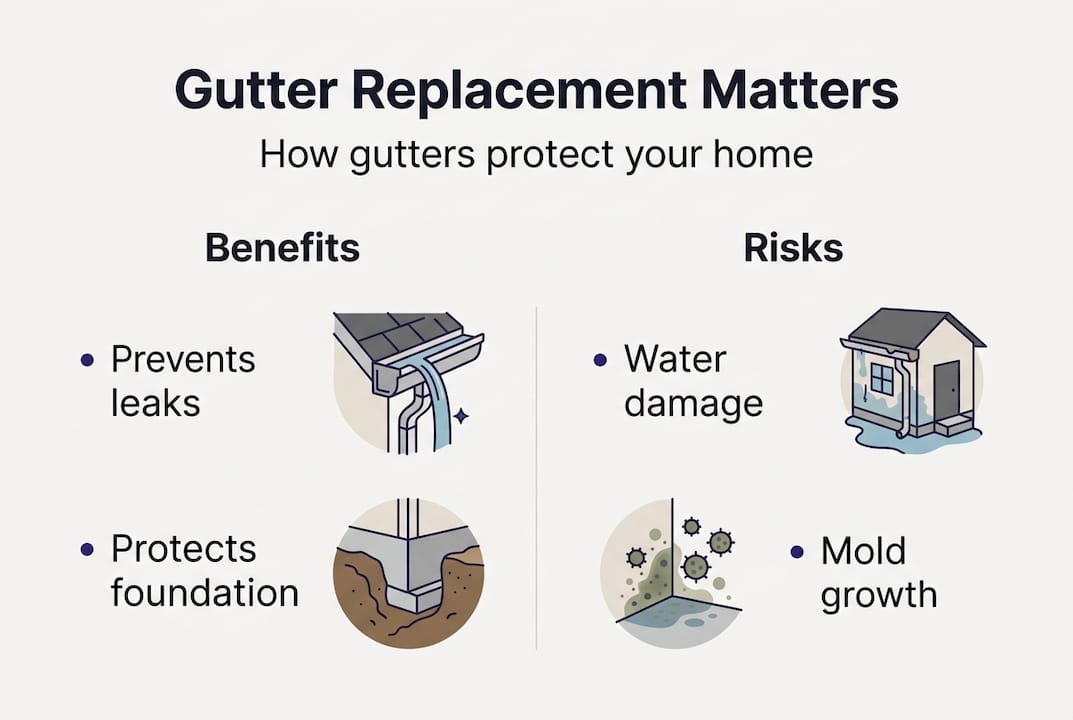
A properly functioning gutter system moves water from your roofline through downspouts and deposits it several feet away from your home’s base. Without that controlled path, water pools against your foundation, seeps into your basement, and saturates the soil around your home. Over time, that moisture causes cracks in your foundation, wood rot along your fascia boards (the boards that run along the edge of your roof), and mold growth inside your walls.
Here’s what can go wrong when gutters are clogged or leaking:
- Water backs up under your shingles, causing roof deck rot and early shingle failure
- Overflow soaks your siding and creates entry points for moisture and insects
- Standing water near your foundation leads to basement flooding and structural cracking
- Soil erosion around your home’s perimeter exposes the foundation to freeze-thaw cycles
- Mold and mildew develop along exterior walls and spread indoors
North Carolina’s climate adds an extra layer of concern. The state averages over 45 inches of rainfall per year, with intense storm systems rolling through from spring to fall. Tropical storms and hurricanes regularly push heavy rain across the Piedmont region, where cities like Burlington, Greensboro, and Mebane sit. That volume of water puts serious stress on gutters that are already aging or partially clogged.
“Water is patient. It will find every crack, every gap, and every weak point in your home’s exterior. Your gutters are what stand between a dry home and thousands of dollars in water damage repairs.”
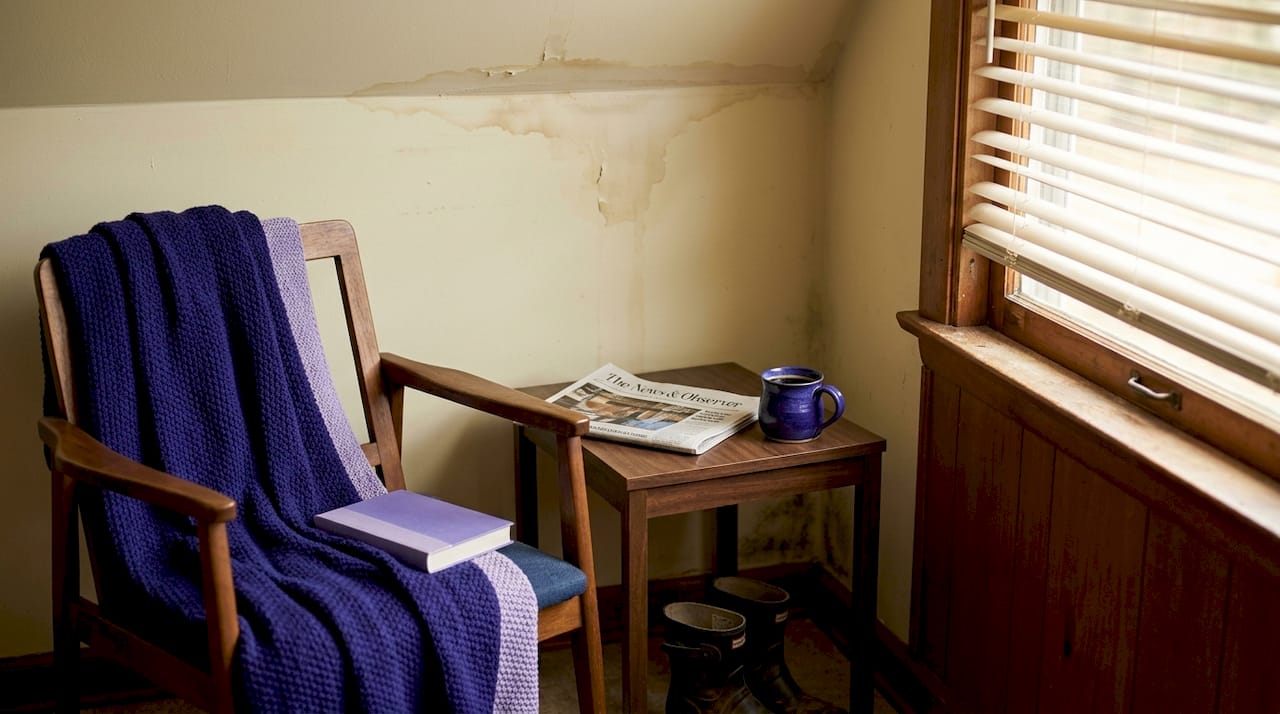
A real-world example: a homeowner in Graham, NC noticed water stains on the ceiling of their first floor. The culprit wasn’t a leaking roof. It was an overflowing gutter that had been directing water against the exterior wall for two seasons. By the time the stain appeared, the wall cavity already had mold. The repair cost far exceeded what a gutter replacement would have cost a year earlier.
Common signs your gutters need replacement
Understanding the function of gutters is only the start. Let’s look for the telltale signs that it’s time for a replacement.
Some warning signs are easy to spot from the ground. Others only show up during or after a heavy rain. Either way, catching them early gives you options. Waiting until the damage is severe limits those options and raises your costs.
Here are the most common signs your gutters need to be replaced:
- Visible rust, cracks, or holes. Small holes can be patched, but widespread rust or cracking means the material has broken down and repairs won’t hold long.
- Sagging or pulling away from the fascia. Gutters that sag in the middle or separate from the roofline can no longer carry water effectively and may be damaging the fascia board behind them.
- Peeling paint or water stains on your exterior walls. These are signs that water is regularly overflowing or leaking from your gutters.
- Pooling water or soil erosion near your foundation. If you see trenches forming in the soil directly below your gutters after rain, the water isn’t being directed away properly.
- Mildew or mold along the base of your home. Persistent moisture from poorly functioning gutters creates ideal conditions for mold growth at ground level.
- Frequent leaks that keep coming back despite repairs. If you’ve had gutter repair done more than twice in three years on the same section, replacement is likely the smarter investment.
Key statistic: Water damage is one of the leading causes of roof replacement needs in North Carolina homes, and a significant portion of those cases trace back to gutter failure rather than direct storm damage to the shingles themselves.
The important distinction here is between isolated damage and systemic failure. A single crack after a storm is repairable. Gutters that are consistently pulling away, leaking in multiple spots, and showing rust across several sections have reached the end of their useful life. Continuing to patch them is like putting bandages on a problem that needs surgery.
Gutter replacement vs. repair: Making the right choice
After spotting the key signs, you’ll want to weigh the options. Repair or replace? Here’s how to decide.
The answer depends on the age of your gutters, the extent of the damage, and the total cost over time. This comparison table gives you a clear breakdown:
| Factor | Repair | Replace |
|---|---|---|
| Best for | Isolated cracks or loose joints | Widespread rust, sagging, or age |
| Average cost | $150 to $400 | $1,000 to $2,500 |
| Lifespan added | 1 to 3 years | 20 or more years |
| Long-term value | Lower | Higher |
| Impact on home value | Minimal | Positive |
| Recommended when | Gutters are less than 10 years old | Gutters are 15 or more years old |
The table makes one thing clear: repairs make sense when the damage is minor and the gutters are relatively new. Once your gutters are past the 15-year mark and showing multiple issues, replacement gives you far better value for your money.
There’s also the insurance and resale angle to consider. Some homeowners’ insurance policies in North Carolina factor in the condition of your drainage systems when assessing claims related to water damage. Proactively replacing aging gutters can strengthen your position if you ever need to file a claim. And when it comes time to sell your home, buyers and inspectors notice gutter condition. New gutters signal that the home has been well maintained.
Pro Tip: If you’re unsure whether to repair or replace, ask your contractor to evaluate the fascia board behind the gutters. If the fascia is rotted or soft, you’re already dealing with secondary damage, and replacement is almost certainly the right call. You can explore your gutter repair solutions with a professional who can give you an honest, no-pressure assessment.
Benefits of timely gutter replacement for North Carolina homeowners
Once you decide replacement is the right move, here are the benefits you’ll see right away and for years to come.
Replacing your gutters before they fail completely puts you in control. You choose the timing, the materials, and the contractor. You avoid emergency repairs during storm season, and you protect every other system in your home that depends on proper water drainage.
Here’s a look at how gutter material affects longevity and cost:
| Material | Average lifespan | Cost per linear foot | Best for |
|---|---|---|---|
| Aluminum | 20 to 25 years | $6 to $12 | Most NC homes |
| Vinyl | 10 to 15 years | $3 to $6 | Budget-conscious projects |
| Steel | 20 to 30 years | $9 to $20 | High-rainfall areas |
| Copper | 50 or more years | $25 to $40 | Premium homes |
The benefits of timely replacement include:
- Roof protection. New gutters prevent water from backing up under shingles and rotting the roof deck, which is one of the most expensive repairs a homeowner can face.
- Foundation preservation. Properly directed water keeps your foundation dry, reducing the risk of cracks and basement flooding.
- Curb appeal. Clean, straight gutters improve the look of your home immediately. This matters whether you’re planning to sell or simply want to take pride in your property.
- Mold and pest prevention. Standing water attracts mosquitoes and creates conditions for mold. New gutters eliminate the moisture source.
- Peace of mind during storm season. North Carolina’s storm season is long and unpredictable. Knowing your gutters can handle heavy rainfall removes one major worry.
Pro Tip: After your new gutters are installed, schedule a gutter inspection each fall before leaf season and each spring after winter storms. Catching small issues early keeps your new system working at full capacity for its entire lifespan.
The long-term math is straightforward. A quality gutter replacement that costs $1,500 today can prevent $8,000 to $15,000 in foundation, roof, and water damage repairs down the road. That’s not a minor savings. That’s protecting your most valuable asset.
How to choose the right gutter replacement service
With benefits in mind, the next step is choosing the team that can deliver lasting results.
Not all gutter contractors are the same. Choosing the wrong one can mean poor installation, incorrect pitch (the slight angle that keeps water flowing toward downspouts), and gutters that fail years before they should. Here’s how to find a qualified local professional:
- Look for local experience. A contractor who works regularly in Burlington, Greensboro, or the surrounding North Carolina communities understands local building codes, typical weather conditions, and the types of homes in the area. That knowledge matters.
- Ask for references and reviews. Any reputable contractor should be able to point you to satisfied customers or verified online reviews. Don’t skip this step.
- Confirm they offer a written estimate. Verbal quotes lead to disputes. A written estimate protects you and holds the contractor accountable for the scope of work.
- Ask about warranties. Quality gutter installation should come with both a product warranty and a workmanship warranty. Know what’s covered and for how long.
- Make sure they inspect the fascia and soffit. A contractor who only looks at the gutters themselves is missing part of the picture. The boards behind and below your gutters must be in good condition for the new system to work properly.
Pro Tip: Ask your contractor if they also handle expert gutter repair and regular roof inspections. Working with a team that covers both gutters and roofing means they’ll catch related issues, like damaged flashing or soft spots on the roof deck, that a gutter-only company might miss. If you find any damage during the process, having access to roof repairs through the same trusted team saves you time and coordination headaches.
The replacement process itself should follow a clear sequence: inspection, written estimate, scheduling, removal of old gutters, fascia assessment, installation of new gutters with proper pitch and secure hangers, and final cleanup. If a contractor skips the inspection or rushes through the fascia check, that’s a red flag worth taking seriously.
Our experience: What North Carolina homeowners overlook about gutter replacement
Let’s step away from the checklist for a moment and share what we see most often in homes just like yours.
The most common pattern we encounter is this: a homeowner waits until water is visibly leaking or pooling before calling us. By that point, the gutters have usually been failing quietly for one or two seasons. The fascia behind them is soft. There’s mold in the wall cavity. What could have been a straightforward replacement has become a more involved project.
The honest truth is that most gutter damage in North Carolina isn’t visible from the ground. The back side of a gutter, where it meets the fascia, is where rust and rot typically start. You won’t see it during a casual walkthrough of your yard. That’s why inspecting your gutters professionally once a year is so important, especially after a heavy storm season.
We also see homeowners underestimate how quickly North Carolina’s rainfall patterns accelerate gutter wear. The combination of summer thunderstorms, fall leaf accumulation, and winter ice creates a year-round cycle of stress that shortens gutter lifespan faster than in drier climates. Proactive replacement, before the leaks start, is almost always less expensive and less disruptive than reactive repair.
Ready to protect your home? We’re here to help
If this article has made one thing clear, it’s that your gutters deserve more attention than they typically get. The good news is that getting started is simple.

At All About Roofing Co., LLC, we make the process straightforward from the first call to the final cleanup. Whether you need roof replacement solutions, a thorough gutter inspection, or experienced gutter repair professionals who know North Carolina homes inside and out, our team is ready to help. We proudly serve Burlington, Greensboro, Mebane, Chapel Hill, Eden, and surrounding communities. Contact us today for a free estimate and let’s make sure your home is protected before the next storm rolls in.
Frequently asked questions
How often should I replace my home’s gutters in North Carolina?
Most experts recommend inspecting gutters yearly and replacing them every 20 years or sooner if major issues like widespread rust, sagging, or repeated leaks are found.
What are the dangers of postponing gutter replacement?
Delaying replacement can cause water damage to your roof deck, foundation problems, mold growth inside walls, and costly structural repairs that far exceed the cost of new gutters.
Can I replace gutters myself or should I hire a pro?
Hiring a professional ensures correct installation, proper pitch, local code compliance, and avoids safety hazards that come with working at roof height without the right equipment.
Do new gutters improve home value?
Yes, new gutters enhance curb appeal, demonstrate good home maintenance, prevent water damage, and can positively influence a home’s resale value in the North Carolina market.
How much does gutter replacement typically cost?
Costs vary based on materials and home size, but most replacements range from $1,000 to $2,500 for a typical North Carolina home, with premium materials like copper running higher.
